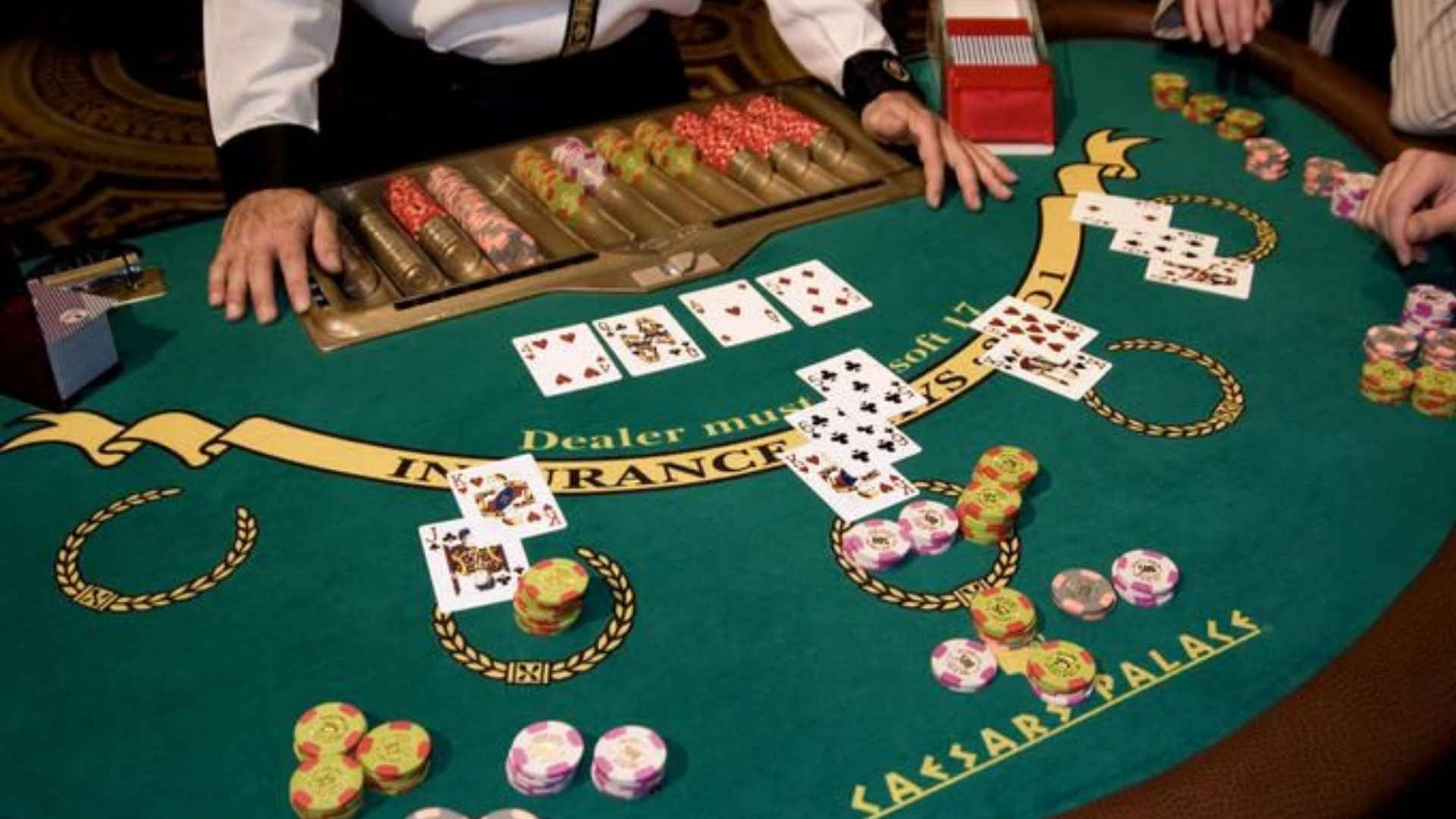
Aggressive wagering can be a powerful tool at the poker table, forcing opponents into difficult decisions and maximizing your potential payout. However, executing these high-stakes maneuvers without proper situational awareness often leads to severe chip depletion. Strategic success relies heavily on understanding when to apply pressure and when to exercise restraint.
The Risks of Early Aggression
Launching a major bluff or raising the stakes prematurely forces you to make complex decisions with limited information. When you act aggressively too early in a betting round, you allow observant opponents to counter your strategy effectively. Waiting for additional cards to build clarity remains a much safer approach for long-term sustainability.
Furthermore, early aggression often inflates the pot size before you can accurately judge the strength of your own hand. This mistake can trap you in a massive financial commitment against an opponent who has quietly secured a premium combination. Developing the patience to check or call in the initial stages safeguards your bankroll from unnecessary variance.
Evaluating Table Dynamics and Positioning
Your physical seating relative to the dealer button directly influences the success rate of your strategic maneuvers. Acting from early position forces you to guess how the remainder of the table will react to your bold wagers. Conversely, holding positional advantage allows you to gather vital behavioral clues before committing any chips.
Applying heavy pressure works best when you can isolate predictable players who tend to fold under moderate stress. If the table is populated by loose competitors who refuse to fold marginal cards, your aggressive plays will frequently backfire. Utilizing a responsive platform like m88.com mobile can help you study these shifting dynamics in real-time environments.
Recognizing the Tell-Tale Signs of Overconfidence
A sustained winning streak can easily create mental blind spots, leading to reckless decision-making at the green felt. Enthusiasts often mistake a run of good card variance for absolute tactical superiority over their opponents. This psychological trap prompts players to execute aggressive bets in highly unfavorable scenarios.
To maintain a high level of consistency, you must separate emotional confidence from mathematical realities. Every bet or raise should be backed by objective probabilities rather than a sudden impulse to dominate the table. Recognizing the early symptoms of overconfidence allows you to step back and re-evaluate your tactical framework.
Balancing Your Range for Long-Term Success
If you only execute massive wagers when holding premium cards, observant competitors will quickly decipher your patterns. Becoming entirely predictable allows your opponents to fold early and deny you the maximum payout on your best hands. Mixing well-timed bluffs into your overall routine keeps your strategy dynamic and difficult to read.
The secret lies in choosing specific scenarios where the community cards favor your perceived range over your opponent's range. Forcing a confrontation on a highly coordinated board requires deep analytical calculation rather than pure bravado. Cultivating this disciplined approach transforms erratic betting habits into a highly profitable long-term strategy.