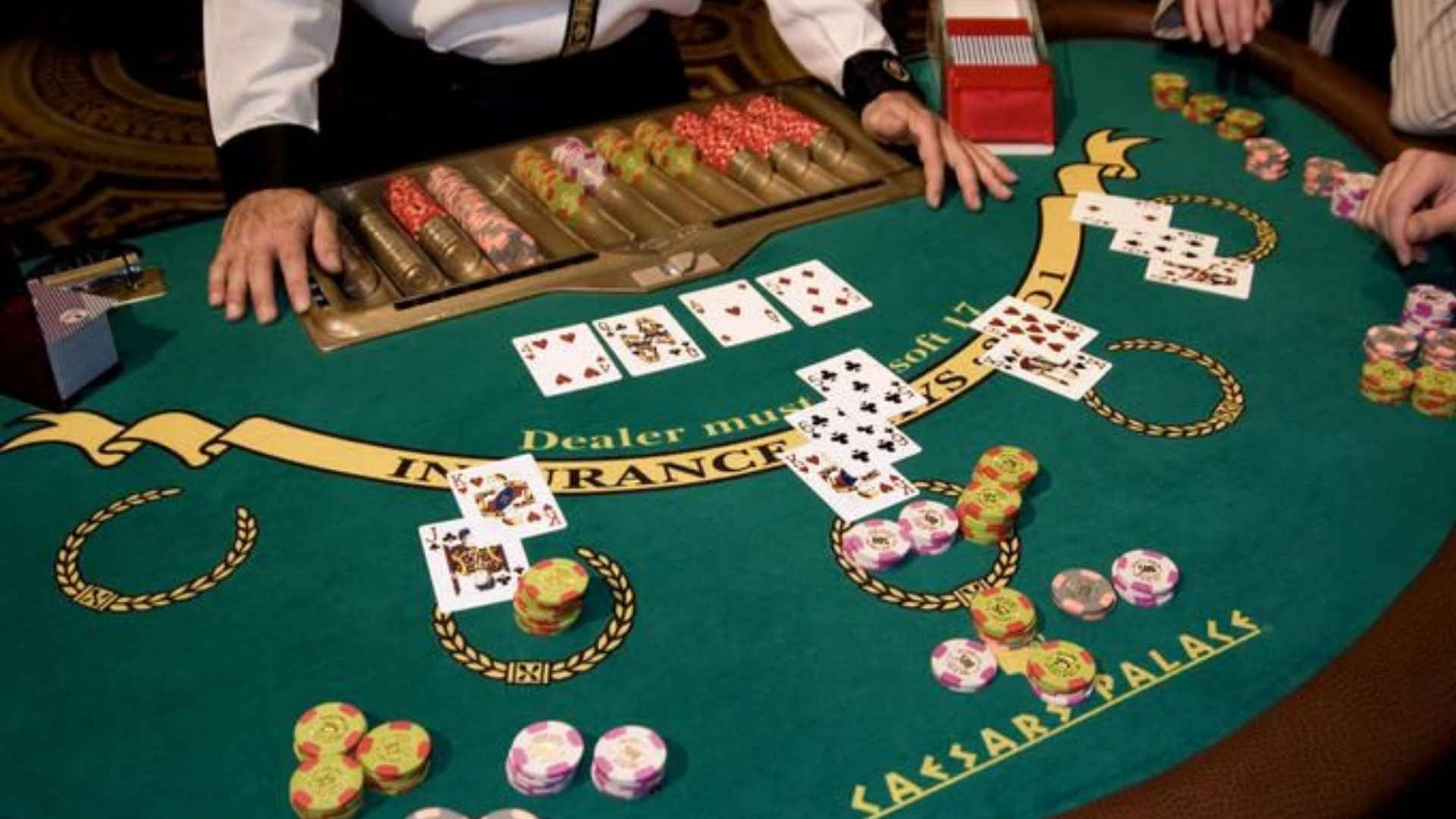
Selecting the right table limits is a foundational step for any gaming enthusiast who wants to maintain financial discipline while enjoying table games. Entering a game without assessing minimum and maximum stake restrictions often leads to rapid bankroll depletion or unnecessary decision pressure. By aligning your personal budget with the thresholds posted at each table, you ensure that every gaming session remains structured and entertaining.
Understanding Minimum and Maximum Table Stakes
Table limits set the lower and upper boundaries for every individual wager placed during a game. The minimum limit dictates the smallest amount required to participate in a single round, while the maximum cap limits your top exposure. Recognizing these boundaries prevents accidental overspending and helps you estimate how many hands or spins your budget can accommodate.
For players who prefer low-stakes environments, finding tables with modest entry requirements is essential for extending playtime. Conversely, high-stakes tables cater to larger bankrolls, allowing for significant flexibility in wager sizing. Knowing how these structural limits operate ensures that you never feel forced into betting more than your comfortable threshold.
Calculating Your Optimal Per-Bet Ratio
A practical method for staying within your financial means is setting a fixed percentage of your total session budget per wager. Financial experts generally recommend risking no more than one to two percent of your total bankroll on a single outcome. This strategy insulates your balance from natural short-term variance and allows you to absorb temporary losing runs without distress.
When your table limit aligns with this percentage, your session stays calm and calculated. If a table's minimum bet forces you to risk five or ten percent of your capital at once, it is a clear sign to look for a different room. Maintaining strict adherence to your predetermined ratio is key to sustainable and responsible gameplay.
Exploring Platform Options and Game Variations
Modern gaming venues and digital hubs present a vast array of room configurations designed for distinct player profiles. When exploring diverse gaming categories, such as live dealer rooms or sports betting options like m88 thể thao, checking posted minimums beforehand saves time and protects your funds. Having access to a variety of stake tiers allows you to adjust your choices depending on your current bankroll size.
Different game variations also come with unique pace and betting rules that impact budget longevity. Rapid-dealing tables resolve outcomes quickly, which means your bankroll interacts with table limits at a much higher frequency. Choosing slower table speeds alongside lower minimum bets helps maintain balance and improves your overall analytical focus.
Adjusting Stakes Responsibly During a Session
Managing your playing budget requires ongoing assessment rather than a passive, set-and-forget mindset. If your balance decreases during a difficult session, moving to a table with lower minimum stakes helps preserve your remaining funds. Step-down limits protect you from impulsive attempts to recover losses through larger, riskier bets.
Similarly, if your session yields gains, resist the temptation to immediately jump to high-tier tables without a plan. Setting strict profit targets and stop-loss boundaries keeps your emotional state stable across all outcomes. By matching your real-time decisions to appropriate table limits, you safeguard your funds while ensuring long-term enjoyment.